One thought on “Welsh in Patagonia as before Ceri’s dairy below”
14th Jan 2017: Patagonia and the Welsh
Days 28-29
We were now in Patagonia, an area I’ve wanted to visit since I was a child, due to its Welsh heritage.
In 1853, over 150 Welsh people sailed on a ship called the Mimosa from Liverpool to Patagonia. Looking at the manifest, many were from mining valleys like Mountain Ash with typical Welsh names like Hughes, Jones, Thomas etc. They set sail with the intention of setting up a new Welsh farming colony in S America, far away from the persecution from the English who’d banned Welsh being used in schools and the work place.
After a 2 month voyage they landed at Puerto Madryn in Argentina. Many settled, where there is still a thriving Welsh community, but some more adventurous Welshmen led wagon trains west into the hills of Patagonia. They decided to stop at a fertile valley near Esquel which they named “Cwm Hyfryd” meaning Lovely valley. Here they settled and spread throughout the area.
They brought with them some machinery, books and bibles of course. They bought some animals along the way and started farming the area. Conditions were harsh, with driving snow in the freezing winters and hot dry summers. The wind blows incessantly through all the seasons. They befriended the Indians as, unlike earlier foreigners, they weren’t there to make money to send home.They just wanted a place to farm and preserve their Welsh heritage.
Without any law and order, those were pretty wild days with many folklore heroes. One Welsh sheriff’s party trick was to shoot the heals off the shoes of wealthy ladies.
Now, in the early 21st century, approximately 50,000 Patagonians are of Welsh descent, of whom around 5,000 are Welsh speakers. The Welsh-Argentine colony, which became known as Y Wladfa, remains centered on Gaiman, Trelew and Trevelin.
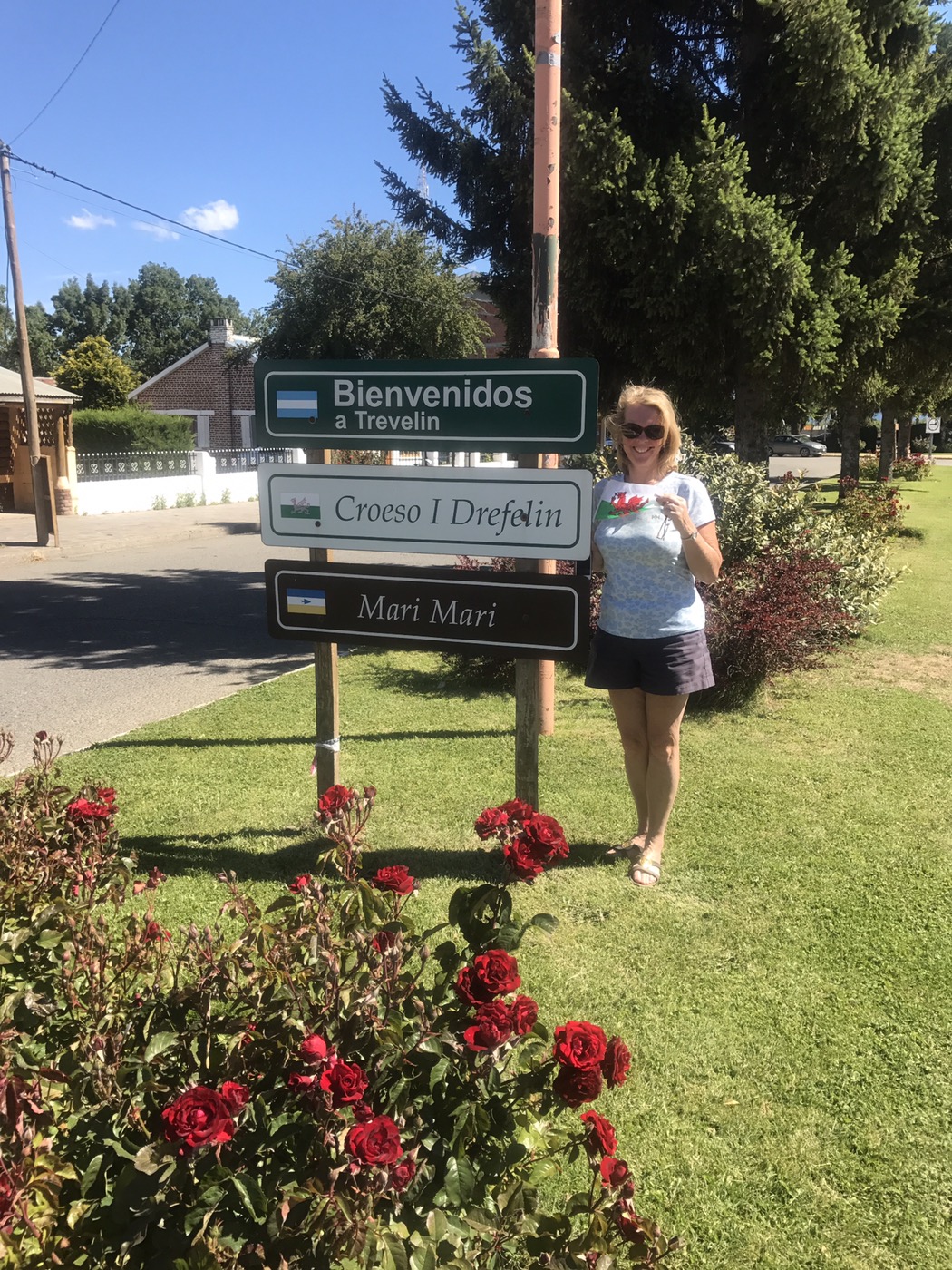
Neil and I didn’t find much evidence of Welsh heritage in Esquel, so drove on to Trevelin to find even the welcome sign was in Spanish and Welsh. We had a little wander around and picked up some info from the tourist information then went to find the camp site.
Camping: Neil has an app on his iPhone called IOVERLANDER where people describe campsites and wild camping areas. As we drive along we read the reviews suggestions and make our choice. It’s such an easy way to find a place, and if we don’t agree, we move on to find our own choice.
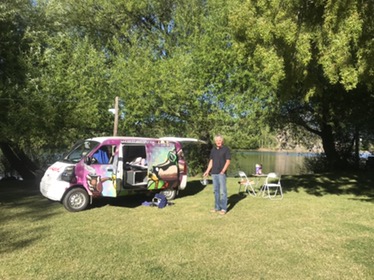
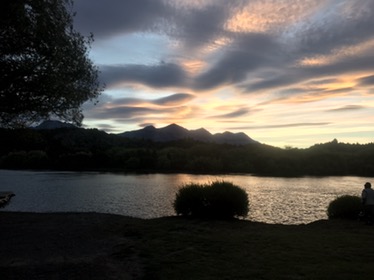
This site was so pretty right on a lake formed by a dam downstream at a large hydroelectric plant. The area was full of families with kids playing football or paddling in the lake, mums supervising the little ones while preparing the food. Some men would take their children to search out firewood to burn in the big barbecue pits, ready for the steaks. These barbecue areas are all over Chile and Argentina and we enjoyed watching the families and friends enjoying the outdoors. We did notice the men seemed to spend more time over the barbecue than in the speed boats they’d towed with them behind their great big Hilux’s.
By the time we’d set up our spot and eaten, almost everyone had gone leaving up with the whole lakeside area to ourselves. Neil visited the owner who was an elderly lady with blonde hair and had had a Welsh speaking Mum. He came back saying she even looked like me in 20 years and rather gallantly set up my Welsh flags over the campervan. I hope admitting to this here doesn’t loose him too many friends!
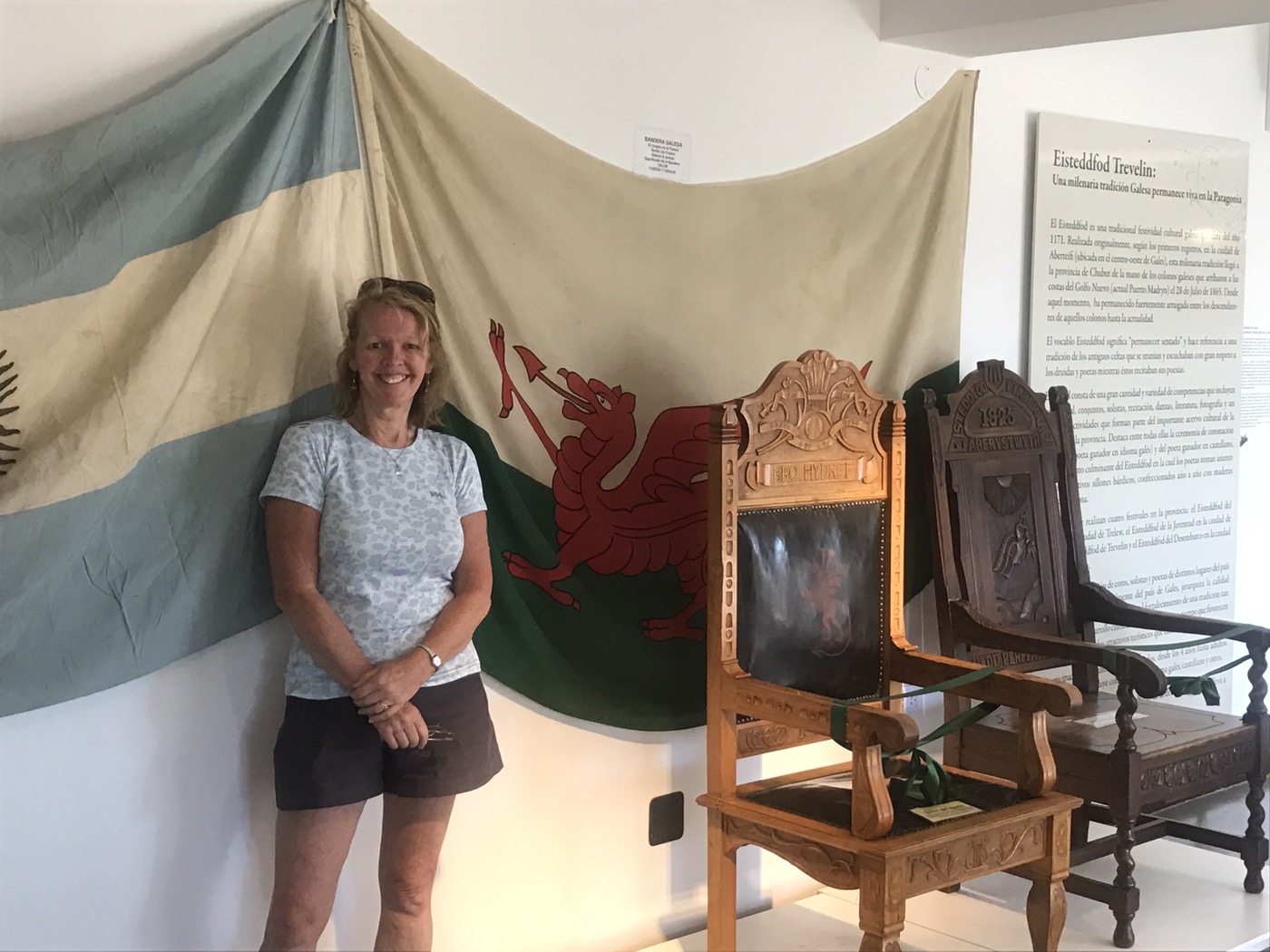
The next day we explored Trevellin, starting with the Museum. Those Welsh settlers were tough, hardy people. We found both my parents names, Lloyds and Thomases in the photos and records. Everything was Welsh. It felt really strange. Neil felt it too, all this way from Wales to find the Welsh language. They had some huge farming machinery and became quite successful farming sheep, cattle an crops, shipping their wares to the US and even UK which sent machinery and more migrants to Argentina and didn’t want to return with empty ships. But the Great Depression in the 30s ended their trade and with no markets to buy their produce, they too succumbed to the Great Depression and the Welsh communities never really recovered. It’s only in the last 10 years that tourism is helping the revival. Apparently there’s quite some kudos about being of Welsh heritage and Spanish speaking families are sending their kids to Welsh speaking schools. I wished I spoke more Welsh than just my O level. And I wished I could write all this to my Welsh speaking father who died last year. He’s been with me throughout this journey.
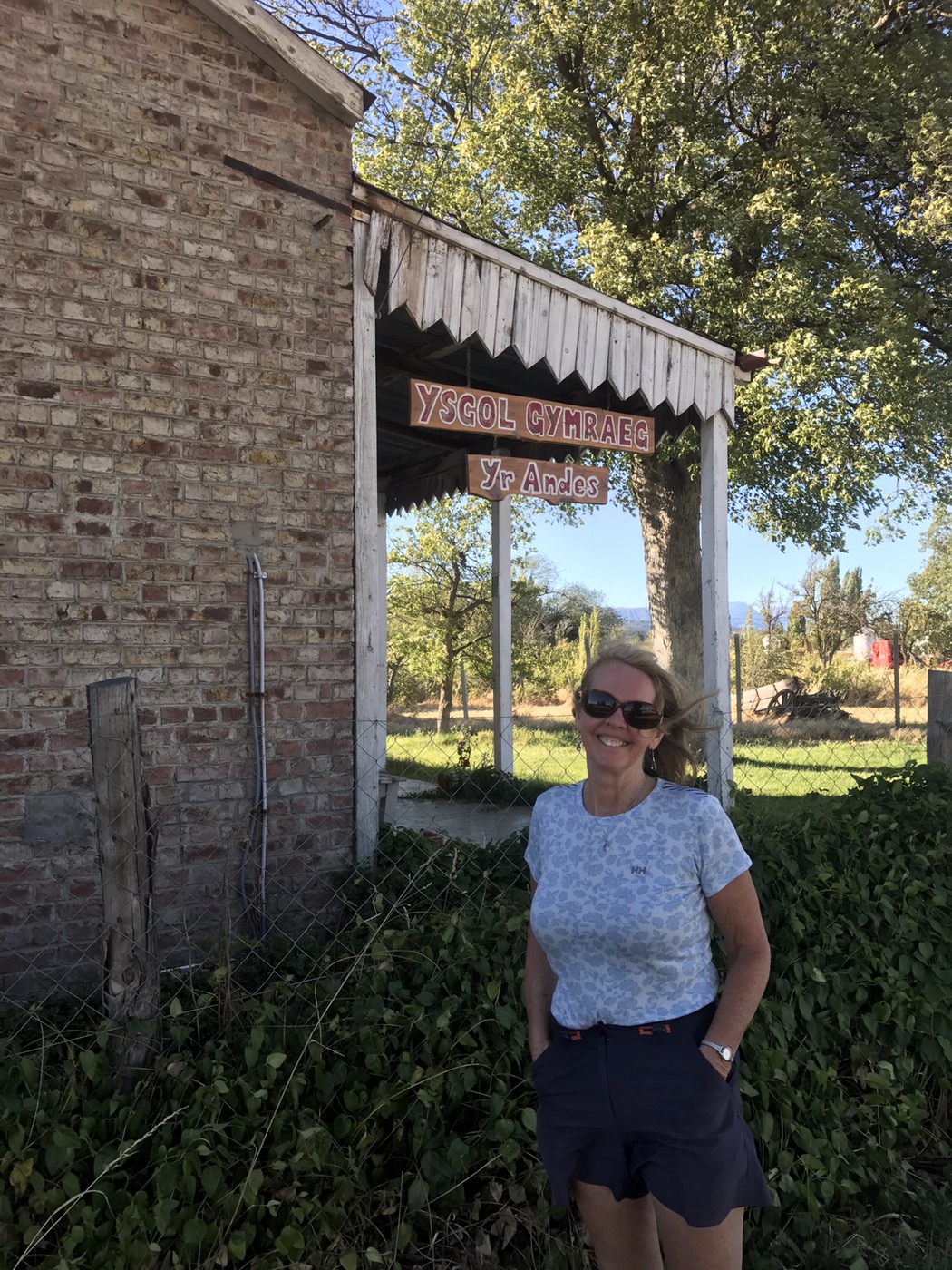
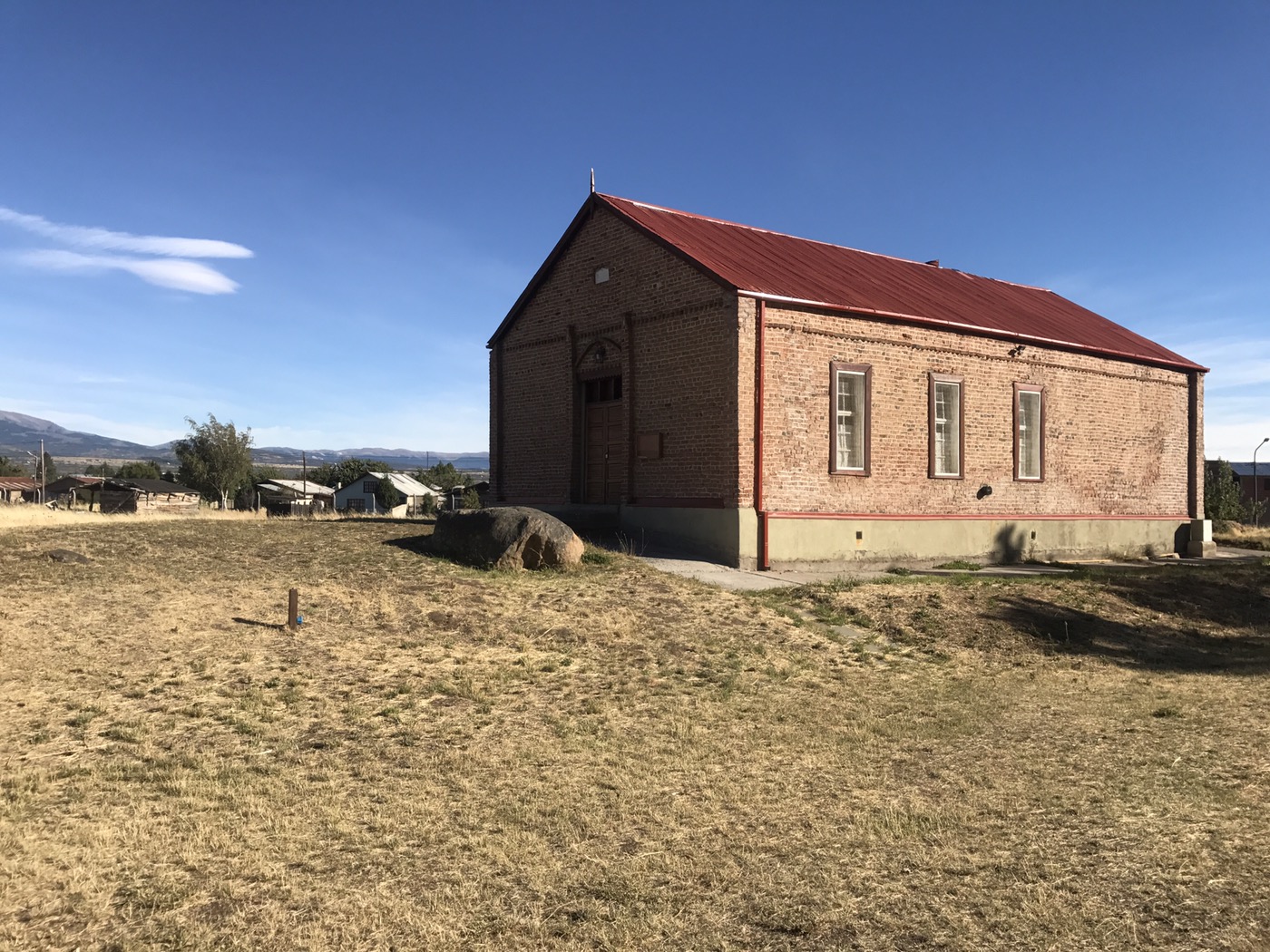
Exploring Trevelin, we found a simple red brick chapel in the middle of a big empty field but no graves around it. There was a tiny school (Ysgol Cymraeg) next to it which is still used. But it’s all very understated.
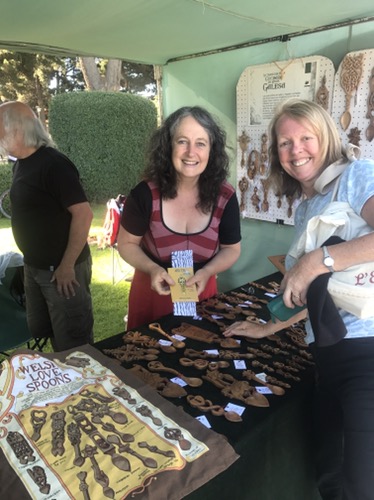
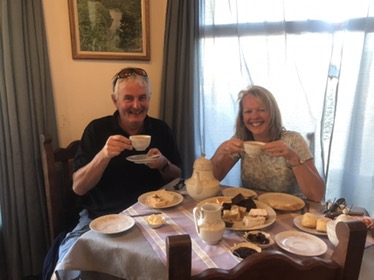
In the late afternoon we ate the biggest Welsh tea we’d ever seen, then wandered around an evening market where we bought a Welsh love spoon. Ahhh! We noticed quite a few pottery stalls too which made me feel at home.



 South America
14th Jan 2017: Patagonia and the Welsh
Days 28-29
We were now in Patagonia, an area I’ve wanted to visit since I was a child, due to its Welsh heritage.
In 1853, over 150 Welsh people sailed on a ship called the Mimosa from Liverpool to Patagonia. Looking at the manifest, many were from mining valleys like Mountain Ash with typical Welsh names like Hughes, Jones, Thomas etc. They set sail with the intention of setting up a new Welsh farming colony in S America, far away from the persecution from the English who’d banned Welsh being used in schools and the work place.
After a 2 month voyage they landed at Puerto Madryn in Argentina. Many settled, where there is still a thriving Welsh community, but some more adventurous Welshmen led wagon trains west into the hills of Patagonia. They decided to stop at a fertile valley near Esquel which they named “Cwm Hyfryd” meaning Lovely valley. Here they settled and spread throughout the area.
They brought with them some machinery, books and bibles of course. They bought some animals along the way and started farming the area. Conditions were harsh, with driving snow in the freezing winters and hot dry summers. The wind blows incessantly through all the seasons. They befriended the Indians as, unlike earlier foreigners, they weren’t there to make money to send home.They just wanted a place to farm and preserve their Welsh heritage.
Without any law and order, those were pretty wild days with many folklore heroes. One Welsh sheriff’s party trick was to shoot the heals off the shoes of wealthy ladies.
Now, in the early 21st century, approximately 50,000 Patagonians are of Welsh descent, of whom around 5,000 are Welsh speakers. The Welsh-Argentine colony, which became known as Y Wladfa, remains centered on Gaiman, Trelew and Trevelin.
Neil and I didn’t find much evidence of Welsh heritage in Esquel, so drove on to Trevelin to find even the welcome sign was in Spanish and Welsh. We had a little wander around and picked up some info from the tourist information then went to find the camp site.
Camping: Neil has an app on his iPhone called IOVERLANDER where people describe campsites and wild camping areas. As we drive along we read the reviews suggestions and make our choice. It’s such an easy way to find a place, and if we don’t agree, we move on to find our own choice.
This site was so pretty right on a lake formed by a dam downstream at a large hydroelectric plant. The area was full of families with kids playing football or paddling in the lake, mums supervising the little ones while preparing the food. Some men would take their children to search out firewood to burn in the big barbecue pits, ready for the steaks. These barbecue areas are all over Chile and Argentina and we enjoyed watching the families and friends enjoying the outdoors. We did notice the men seemed to spend more time over the barbecue than in the speed boats they’d towed with them behind their great big Hilux’s.
By the time we’d set up our spot and eaten, almost everyone had gone leaving up with the whole lakeside area to ourselves. Neil visited the owner who was an elderly lady with blonde hair and had had a Welsh speaking Mum. He came back saying she even looked like me in 20 years and rather gallantly set up my Welsh flags over the campervan. I hope admitting to this here doesn’t loose him too many friends!
The next day we explored Trevellin, starting with the Museum. Those Welsh settlers were tough, hardy people. We found both my parents names, Lloyds and Thomases in the photos and records. Everything was Welsh. It felt really strange. Neil felt it too, all this way from Wales to find the Welsh language. They had some huge farming machinery and became quite successful farming sheep, cattle an crops, shipping their wares to the US and even UK which sent machinery and more migrants to Argentina and didn’t want to return with empty ships. But the Great Depression in the 30s ended their trade and with no markets to buy their produce, they too succumbed to the Great Depression and the Welsh communities never really recovered. It’s only in the last 10 years that tourism is helping the revival. Apparently there’s quite some kudos about being of Welsh heritage and Spanish speaking families are sending their kids to Welsh speaking schools. I wished I spoke more Welsh than just my O level. And I wished I could write all this to my Welsh speaking father who died last year. He’s been with me throughout this journey.
Exploring Trevelin, we found a simple red brick chapel in the middle of a big empty field but no graves around it. There was a tiny school (Ysgol Cymraeg) next to it which is still used. But it’s all very understated.
In the late afternoon we ate the biggest Welsh tea we’d ever seen, then wandered around an evening market where we bought a Welsh love spoon. Ahhh! We noticed quite a few pottery stalls too which made me feel at home.
LikeLike