Huanchaco: While we were planning our next journey north staying along the hot sandy Peruvian coast, I voiced a little thought I’d been playing with that I’d like to see Cajamarca. This is the town where the 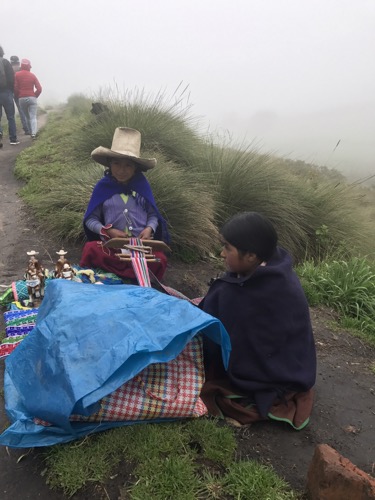
 conquistador Pizarro murdered Atahualpa, the last king on the Incas. It would mean more long winding mountainous bus rides but, having learnt so much about this sad story from Neil reading ‘The Conquest of the Incas’, we both immediately agreed to switch plans. Such is the freedom of never planning too far ahead.
Our kind hosts at Huanchaco drove us to the bus station and we bought our tickets. At first the road followed the desert coast, which in the weeks to follow would suffer some of the worst flooding in memory.
Then the bus turned inland towards green farmlands and rice paddy fields. The road twisted its way high into the Andes and as the temperature cooled, the rain started. And with the rain came landslides which seemed to be every 50m, to the extent that the main road was blocked into Cajamarca and the bus was forced to divert high into and above the clouds through picturesque farming villages. We were now in a sub tropical highland climate with rain in spring and summer (from October to March) and little or no rainfall the rest of the year. After was another stunning journey, it was dark by the time we arrived in Cajamarca so we ate our travel food and slept.
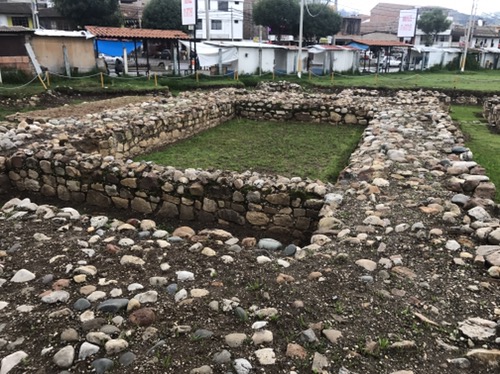
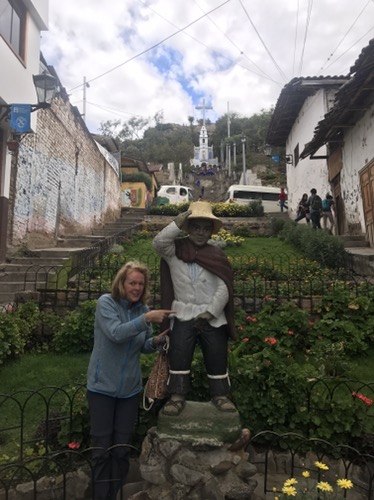
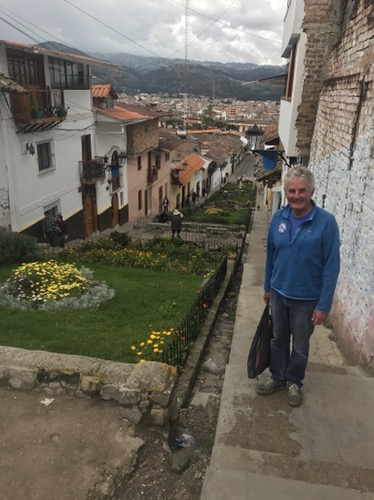
Cajamarca is a small pretty town sitting 2750m high in the Andes full of colonial churches and cobbled streets with small wooden balconies protruding from terraced colonial buildings. At the centre is the main square, the Plaza del Armas, where Atahualpa was slain in 1532, overlooked by the elegantly decorated cathedral and other impressive colonial buildings. Nearby was the old stone walled Ransom room with a line drawn 2m high on the wall showing the limit to where Atahualpa had promised to fill with gold to appease the greedy bloodthirsty Spaniards. Poor Neil was so horrified by the Spaniards at this stage that he lost all interest in seeing the ornate churches built on the foundations of old Inca temples.
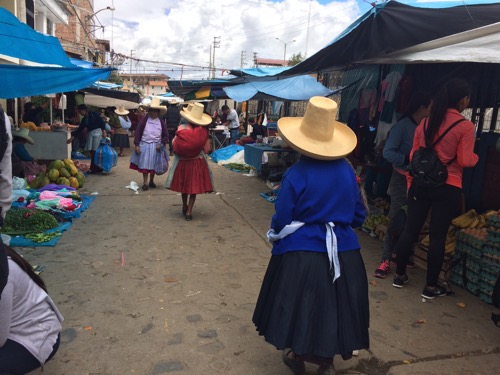
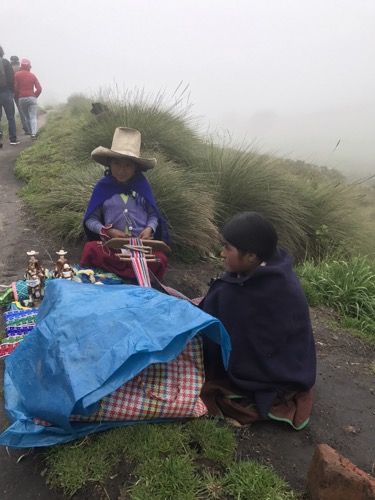
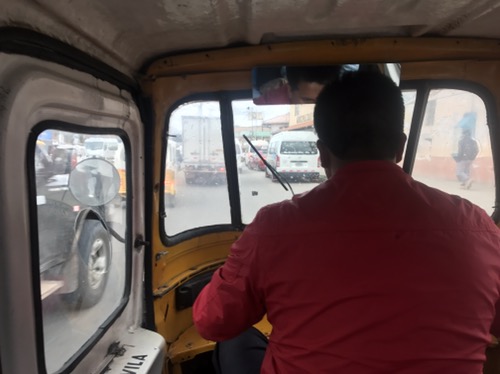
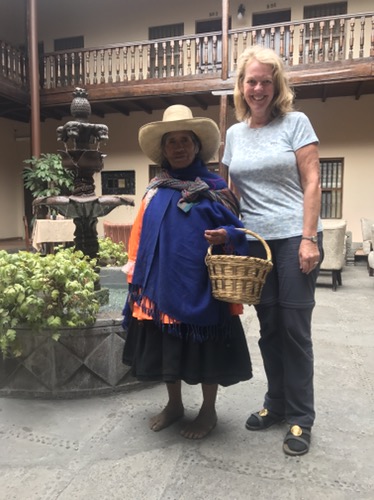
All round Cajamarca local Indian ladies in colourful clothes and bowler hats sat on street corners selling fruit, veg and handicrafts. The tiny streets were full of Tuk Tuks which we often used to as they were so cheap, but not very healthy for the environment.
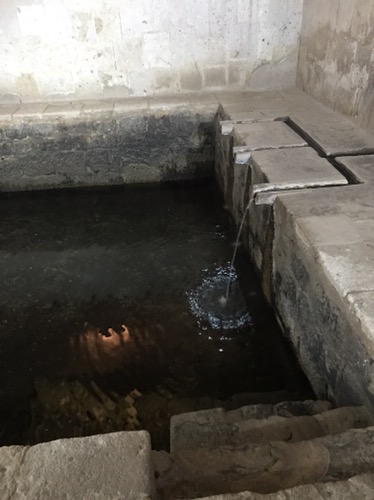
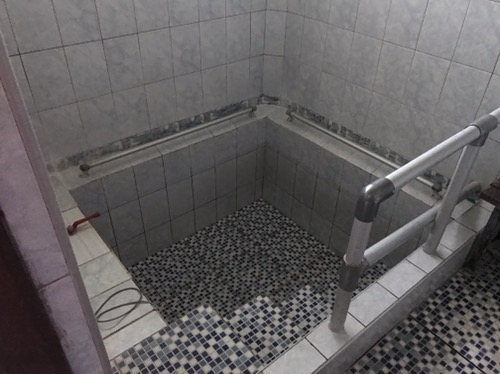
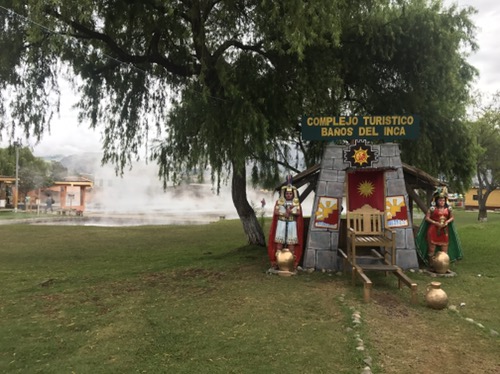
Our highlight of the day was bathing in the thermal baths where Atahualpa had bathed. The steaming water gushes out of the ground at 70deg C filling numerous baths until it’s cool enough for us to bathe. Neil and I had our own private bath to soak our travel weary bodies.
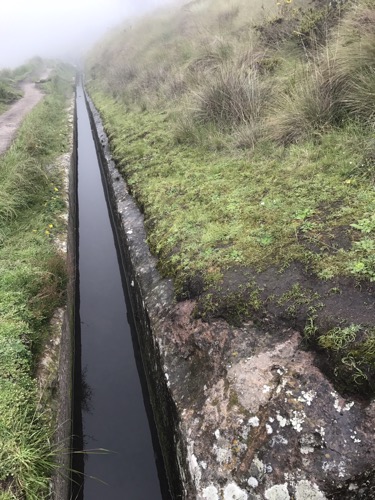
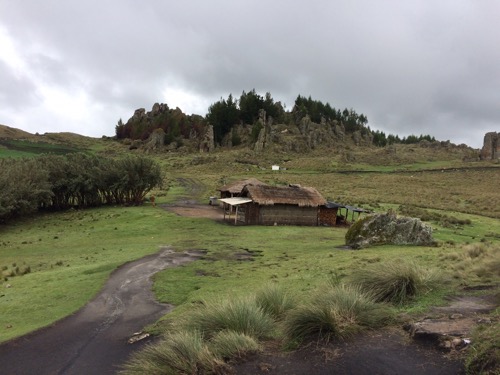
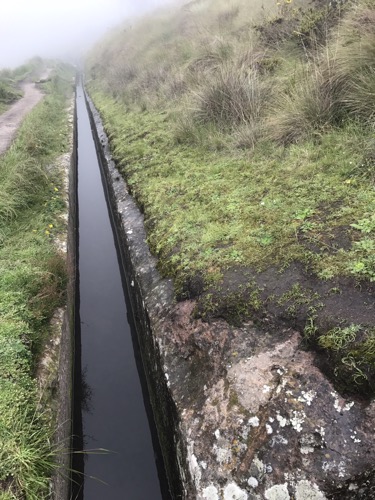
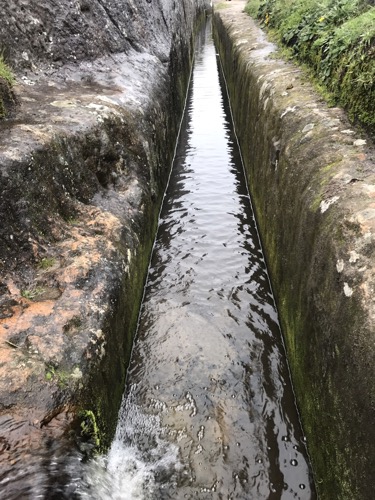
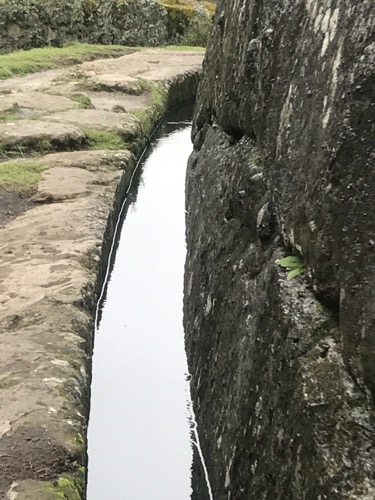
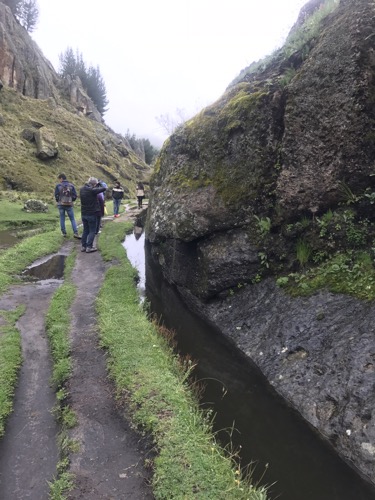
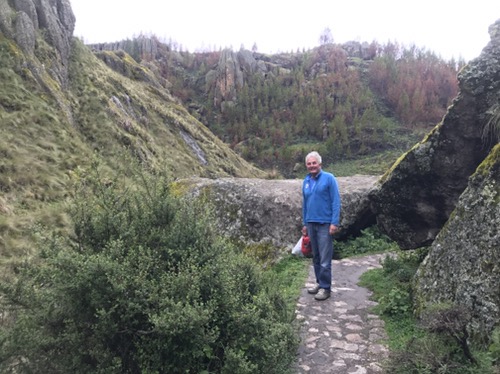
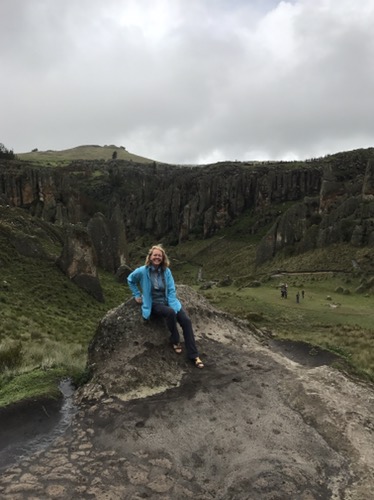
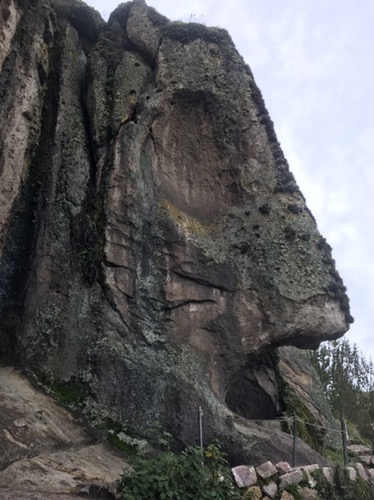
We took a tour higher into the mountains to see the Cumbe Mayo aqueduct, dug with stone through granite around 1500BC by Indians who didn’t even have iron tools to help them. Its flow reminded us of the long leat through Dartmoor as it meandered its way through the sides of the mountains.
What we found strange in Cajamarca was that there were no pretty bars overlooking the square. It would have been fun to sit with a beer overlooking the plaza as we did in Cusco. But apart from hat, Cajamarca was a beautiful town.
————-
Copied from Wikipedia :-
Cumbe Mayo is at an average altitude of 3,500 meters above sea level and 20 kilometers southwest from Cajamarca. Built by an advanced pre-Inca society around 1500 B.C.E, the Cumbe Mayo, which translates to thin river, is thought to be one of the oldest man-made structures in South America. It lies in the Archaeological Complex of Cumbemayo, a place where the highest hydraulic technology of ancient Peruvian communities and the impact of time upon nature are wonderfully combined.

 South America