From Cajamarca we had a 4am start to catch a bus to Tingo. Around the terminal were reassuring posters of smashed buses, confirming we were on a safe one! And once on the bus we were supplied with sick backs.
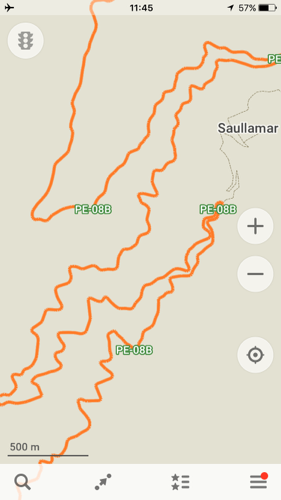
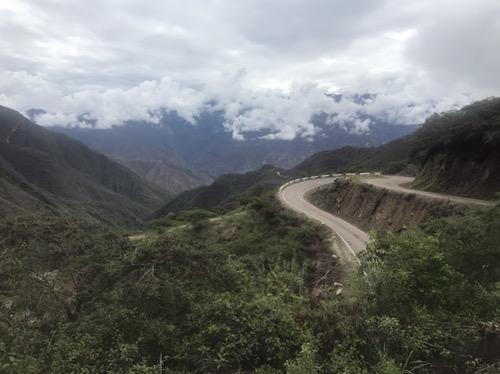
It was the scariest ride of our lives. The single width road zigzagged its way to over 4000m with dramatic drops on every single section. It was far more dangerous than the Bolivian death road we’d cycled, and yet it has speed bumps!!! Heaven knows how the driver passed traffic coming the other way. I certainly don’t know as I had my eyes closed.
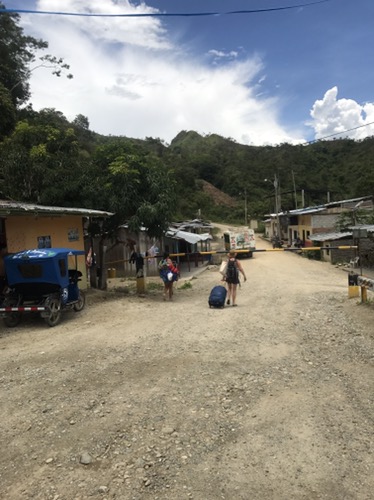
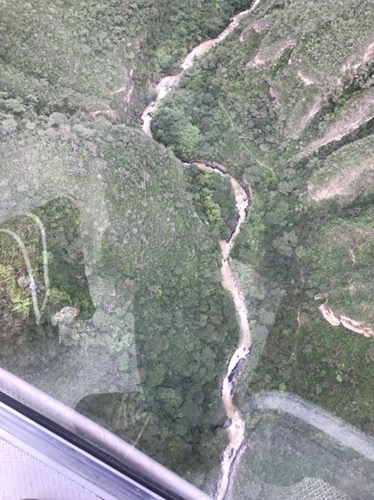
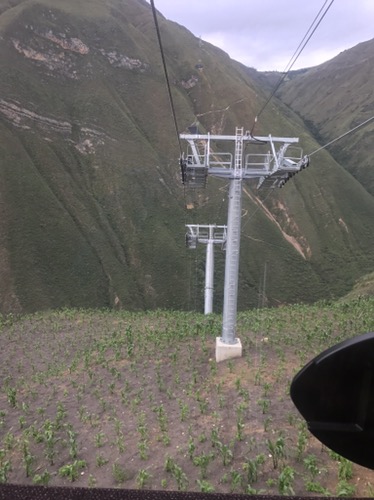
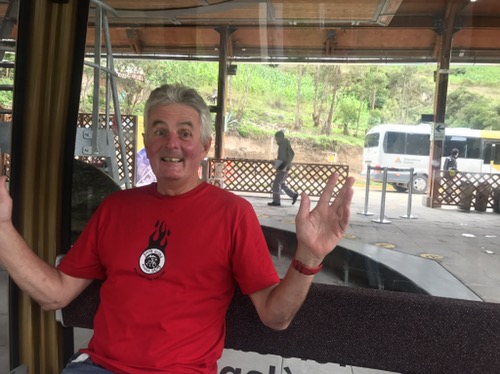
We arrived in Nuevo Tingo safely and stayed at a hippy type eco lodge . Next morning we made an early start to the brand new cable car which opened only 2 weeks ago (Tessa and Joe had to walk up this huge mountain 2 years earlier !). We were the only people on the cable car and laughed like kids all the way up.
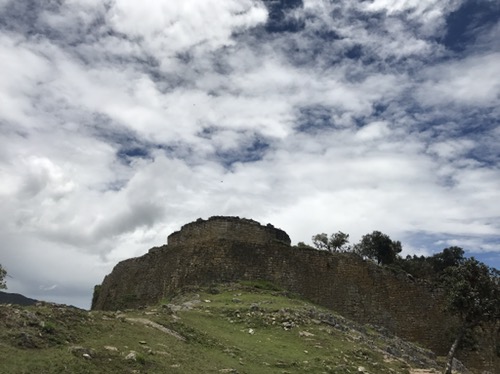
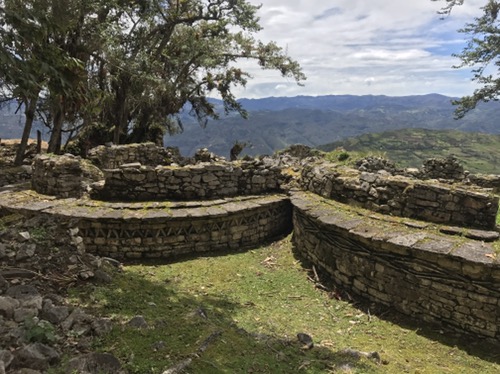
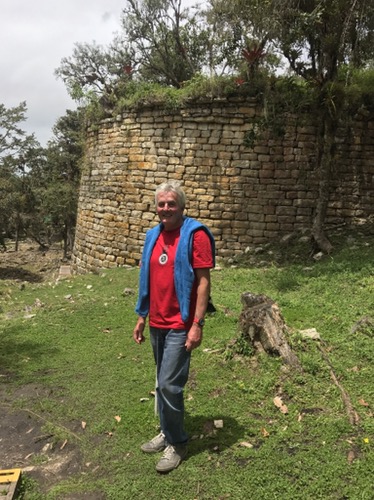
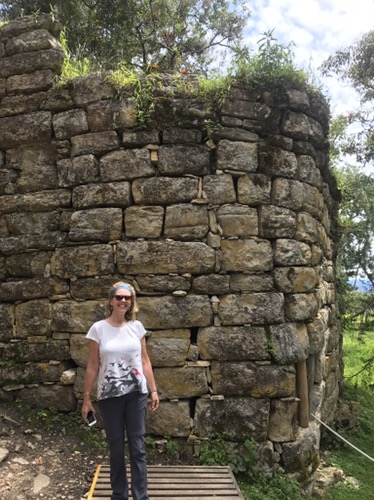
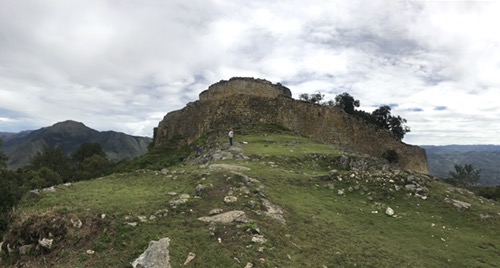
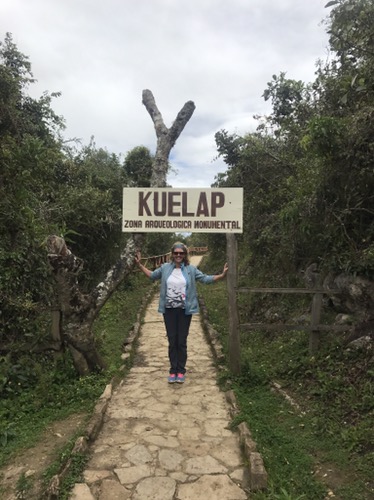
Then we entered Kuelap. Alone! This huge newly discovered mountaintop ancient fortress was empty of tourists. We couldn’t believe it. Machu Picchu had been so busy in the pouring rain, and here we stood in brilliant sunshine, gazing in awe at the huge walls rising from the steep mountain sides surrounding this old Indian settlement.
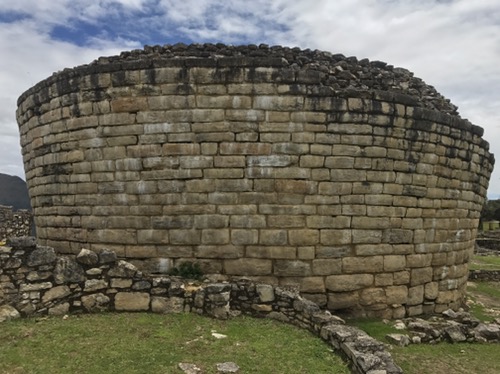
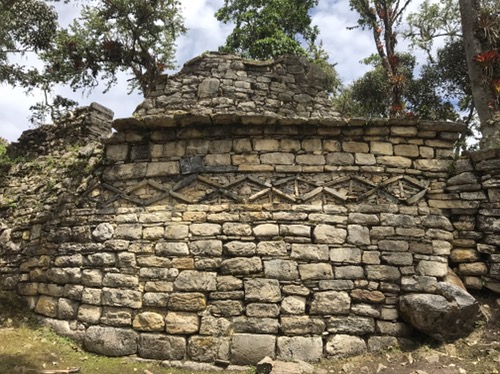
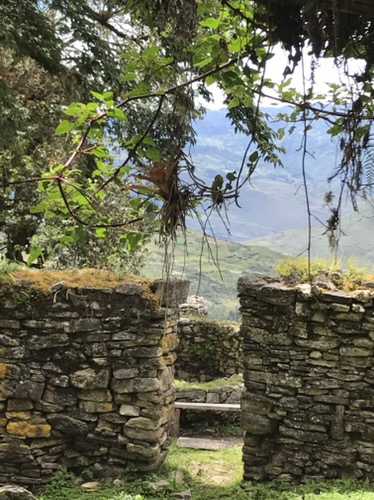
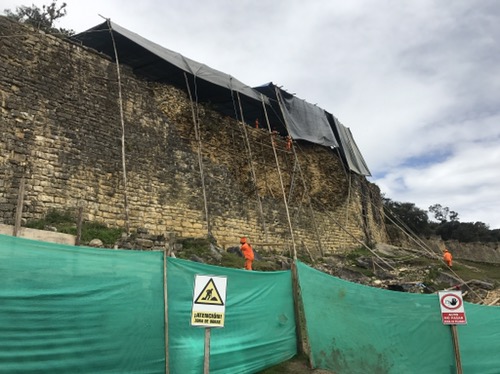
It was built by the Chachapoya Indians, long before the Incas arrived, more as a place of worship than a fort. Instead of human sacrifice which later the Incas used, they’d catapult stones into the heavens to please the rain gods. Inside the walls were many many circular homes built in stone. Some walls had attractive stone patterns and all homes had a little raised area where they kept their animals (mostly guinea pigs) for meat. At this point, most of Kuelap has still not been excavated so we could see the ruins as they were first discovered in 1983. Trees grew everywhere out of the stone ruins. There was an archeological workforce there restoring one section as part of a long term 3 phase plan of restoration. As we left, some other tourists arrived so again, we were the only people heading down on the cablecar. Such was our last experience in Peru.
We left taking minibuses towards the Ecuador border not knowing if we’d make it this day. But at every bus terminal we were frantically greeted by enthusiastic people determined to get our custom. They’d throw our bags on top of their buses which would leave seconds later. Some even fought over our bags, but it all meant we were at the border in record time.
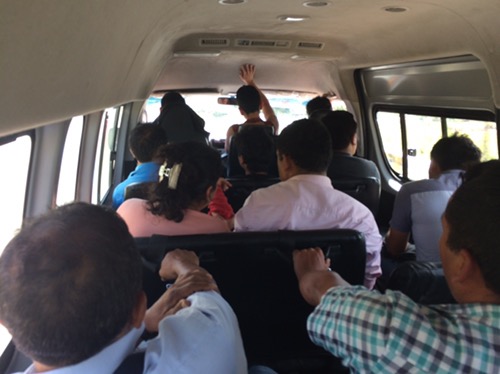
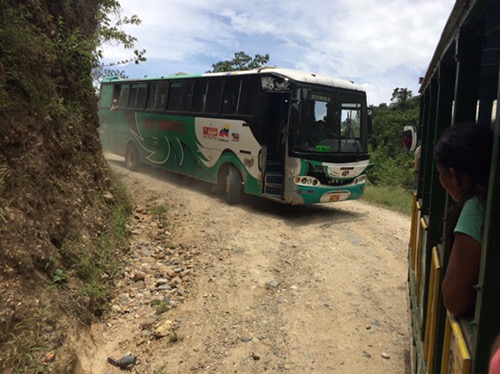
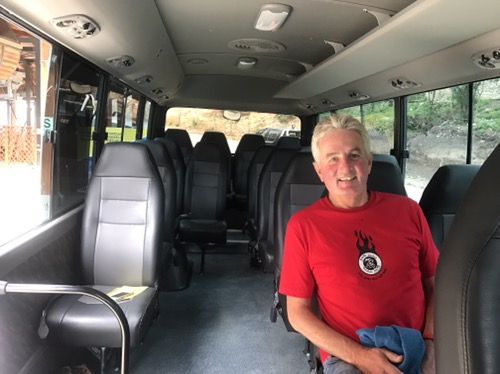
Our minibus from Chachapoyas to Jaen was the fastest ever. It was packed to the gills with every seat taken including makeshift seats in the aisle. Fortunately there were handles on the backs of seats so we could all hang on for dear life around the hairpin bends whilst still admiring the breathtaking scenery. The young driver played exciting ‘go faster’ Spanish music rather loudly the whole journey so it felt more like a rollercoaster. But he was an excellent driver and only once nearly missed a head on collision whilst passing a lorry on blind bend.
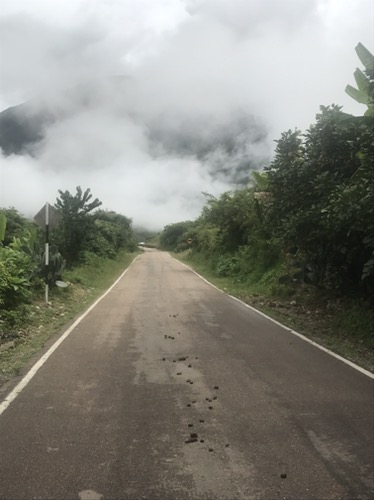
The mountain roads twisted and turned up to high elevations then down deep into valleys and there were constant obstacles. Farmers had thrown blankets over the road to dry their beans in the hot sun. Landslides were a constant feature as the busses swerved to avoid rocks and earth fallen onto the roads. At every stop TVs were showing the horrendous flooding and loss of lives in northern Peru along the route we almost took.
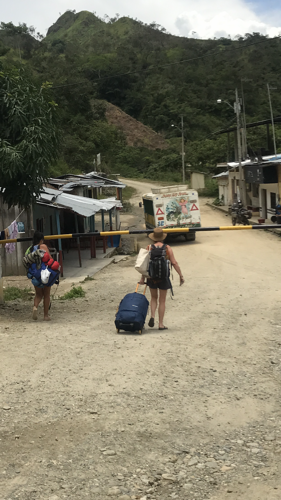
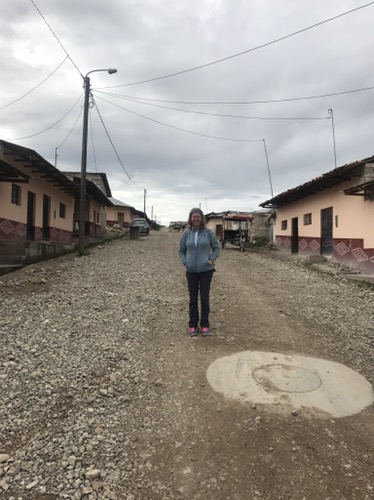
The Peru-Ecuador border was tiny. I didn’t even realise we’d reached Ecuador as Neil took a picture of me from behind. It was sad leaving Peru.
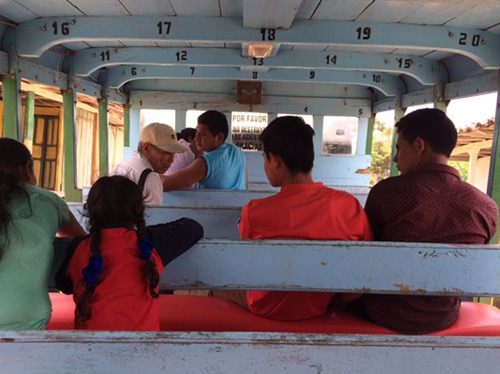
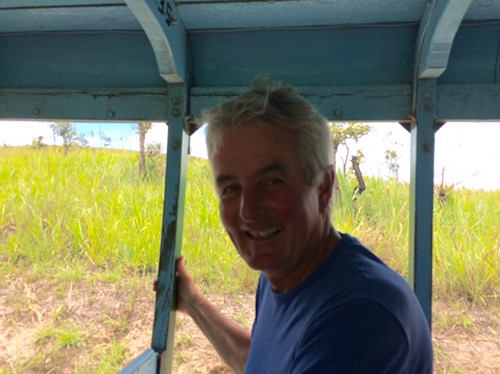
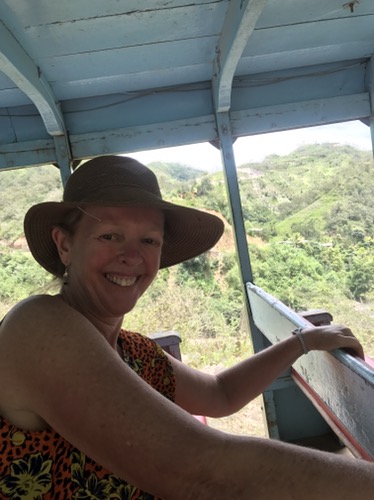
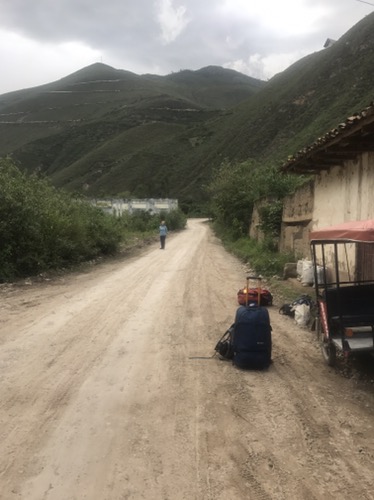
Luckily we managed to catch the very last ‘bus’ which was waiting for us, leaving the border for the nearest town called Zumba 2 hours away. Heaven knows what we’d have done if we’d missed it. The ‘bus’ was an open lorry with rows of benches, and which again, drove at a ridiculous speed along dry dirt roads and hairpin bends. The jungle scenery was dramatic falling deep into valleys hundreds of metres below us. We both bounced all over the back of the lorry hanging on the the seat in front. We’d met an Argentinian girl on the bus and all 3 of us were in hysterics. The man in front of me had a bag full of poor chickens which bounced all over the floor. By the time we arrived at Zumba 2 hours later we were covered in dust. What an experience!
We were immediately hurled onto another bus heading to Vilcabamba. It took 5 hours but we ended up having achieved a 2 day journey in one.
Vilcabamba is a pretty colonial town in the hills full of hippies and restaurants. Years ago it was famed for having a population reaching up to 120 years of age and people flocked there for the ‘healthy minerals and waters’. It was only when they conducted a scientific survey years later that they found out that people were fibbing about their age. Their myth though had attracted many tourists and brought wealth to the town. But even though the truth is out, it’s still a popular place to stay.
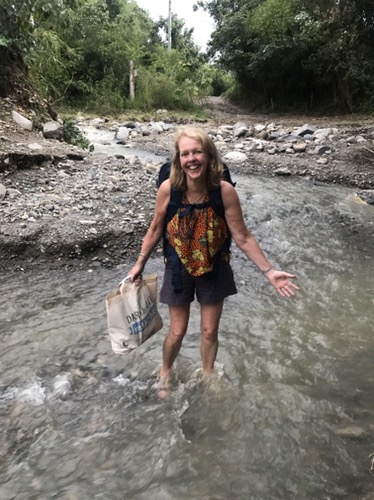
Carrying our big rucksacks, we had to paddle our way through a river to get to our lodgings. It was such a beautiful and tranquil place that we enjoyed the whole exciting journey start to finish.
That evening we found a great little restaurant serving fish and chips, with a band playing Spanish folk songs in the garden and a waitress from Glastonbury. We were happy.
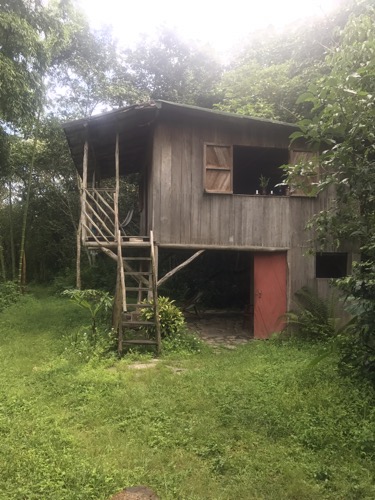
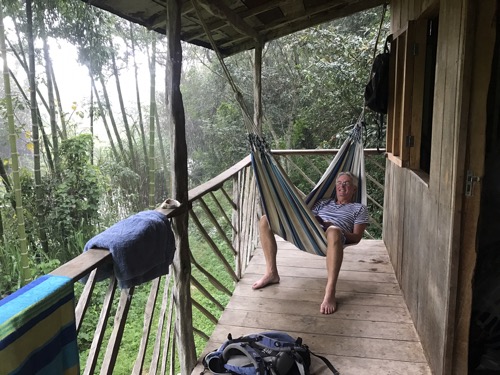
The next day we moved to a rustic wooden eco lodge recommended by Tessa. It was built by 2 Argentinian biologists who’d met as guides in the Galápagos Islands 30 years earlier. They’d bought a large section of the hillside to preserve its biodiversity, since 99% of Ecuadorian land had been logged, burned and turned into farmland. We surprised them by inviting them to supper as we’d managed to buy food, wine, gin AND tonic that day and spent a fascinating evening with them.
We are now resolved to return one day to this heavenly little town.


 South America